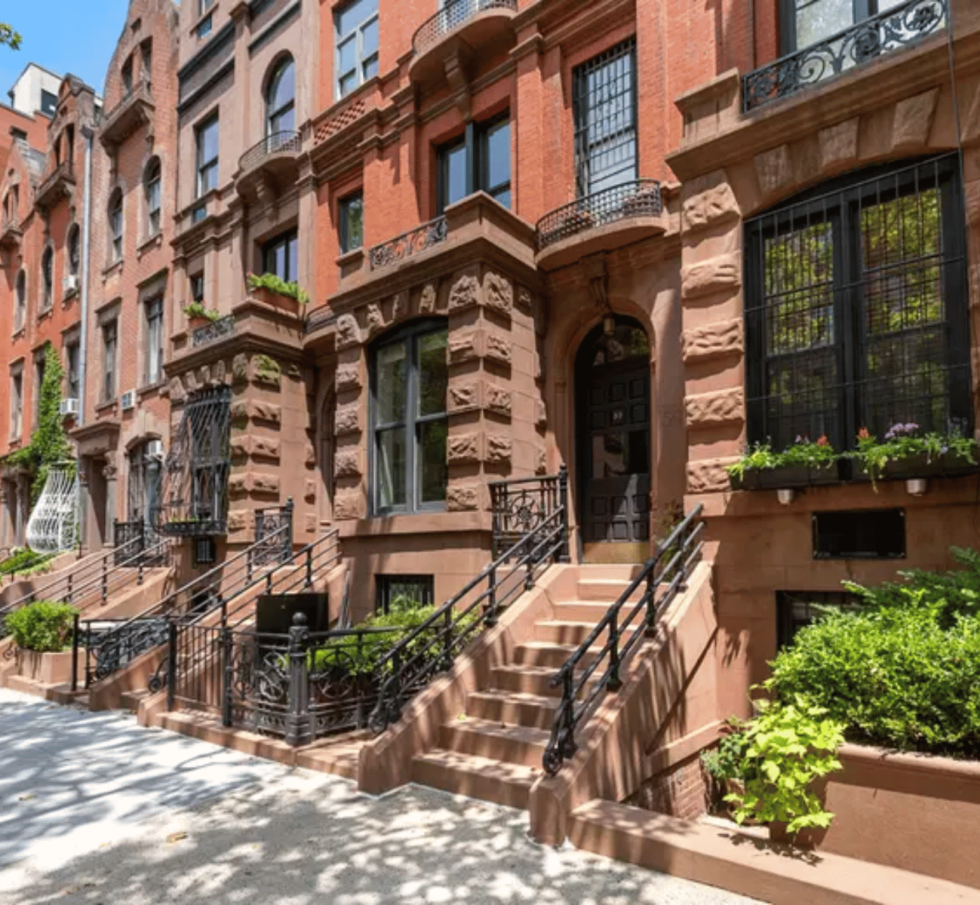
New York City’s diverse architectural landscape is one of its most distinguishing features, and no structure is more iconic than the elegant brownstone. These distinctive rowhouses, characterized by their brownstone facades and ornate details, have become synonymous with the city’s historic charm and architectural heritage. Now some of the most coveted—and expensive—real estate in the city, New York brownstones offer a unique blend of space, privacy, and aesthetic appeal.
The Origins and Evolution of Brownstones
Brownstones first emerged in the early 19th century as a response to the city’s rapid population growth and increasing demand for housing. The term “brownstone” refers to the type of sandstone widely used in their construction. Initially, brownstones were constructed as single-family homes for wealthy families. However, as the city expanded, they became a popular choice for middle-class families, resulting in the construction of entire rows of brownstone townhouses. Today, “brownstone” generally refers to any New York City rowhouse.
Architectural Features and Aesthetic Appeal
One of the defining features of a brownstone is its distinctive brownstone facade, crafted from the locally quarried Triassic sandstone. Much of the stone came from a quarry in Portland, Connecticut, where it had a convenient commute by barge to New York City. In the late 1800s, the building material was so popular that a federal building census tally concluded that 78 percent of stone buildings in NYC were constructed using brownstone.
The facades of residential features often featured intricate carvings, ornate cornices, and decorative wrought-iron railings. While they were designed to look uniform, they were not utilitarian housing. Rather, their unique detailing aimed to distinguish them from more common houses, indicating wealth and status. Even the iconic stoop contributed to this purpose, encouraging separation between the home’s residents and regular citizens.
The higher-end brownstones of the time had grand staircases, rooms for entertaining, stained glass, and designated servants’ quarters. Special features included intricate woodwork, pocket doors, and flooring inlaid with special stone or marble. These details, along with spacious layouts, original fireplaces, and large windows with decorative shutters, contributed to the timeless allure of brownstones.
Neighborhoods Associated with Brownstones
While brownstones can be found throughout New York City, certain neighborhoods have become synonymous with these structures. Brooklyn Heights, Park Slope, and Cobble Hill in Brooklyn, as well as the Upper West Side, Harlem, and Bedford-Stuyvesant in Manhattan, are renowned for their rows of brownstones. These neighborhoods have become highly desirable due to their architectural charm, historic significance, and vibrant community atmosphere.
Preservation and Restoration Efforts
As the years passed, some brownstone neighborhoods fell into disrepair and faced the threat of demolition. However, recognizing these structures’ cultural and architectural significance, preservation movements emerged to protect and restore brownstones. Preservation organizations such as the Brownstone Revival Committee and the Historic Districts Council work to raise awareness, secure neighborhood landmark status, and provide homeowners resources to restore and maintain their brownstone properties.
The Value of Brownstone Properties
Brownstones have long been regarded as a symbol of prestige and elegance, commanding higher prices than other residential properties. The scarcity of brownstone homes, particularly in well-preserved historic neighborhoods, contributes to their desirability and value. The meticulously restored architectural details, spacious layouts, and historic charm of brownstones attract buyers who appreciate both the aesthetic appeal and the unique character of these homes. As a result, brownstone properties have proven to be solid long-term investments. Today, brownstone prices start at $1.5 million and increase from there. However, rental prices may be more affordable, as most brownstone buildings contain multiple rental units.
The prevalence of brownstone buildings in pop culture has also contributed to their dramatic increase in value. You might recognize the West Village brownstone at 64 Perry Street, made famous as the exterior of Carrie Bradshaw’s apartment building in Sex and the City. The townhouse sold for $13.25 million in 2013.
Challenges and Considerations
Owning and maintaining a brownstone property comes with its own set of challenges. Restoration and maintenance can be costly and adhering to historic preservation guidelines can limit the flexibility of renovations. For example, to renovate brownstones in a landmark district, homeowners must often secure approval from the Landmarks Preservation Commission and the Department of Buildings. Because the buildings are typically 150 years old, they do not contain elevators or many other common modern amenities.
Additionally, some brownstone neighborhoods may face gentrification pressures, potentially affecting the social and economic fabric of the community. It is essential to strike a balance between preserving the historic integrity of brownstones and ensuring they remain accessible to a diverse range of residents.
Their Legacy
New York City’s brownstones are part of the city’s architectural legacy and cultural heritage. Recognizable by their elegant facades and historic significance, they serve as valuable reminders of the city’s history and diversity. Whether as treasured family homes or architectural landmarks, brownstones remain an enduring symbol of New York City’s distinctive character.
Leave a Reply