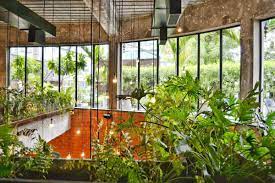
To encourage and incentivize sustainable practices, New York’s real estate industry has adopted multiple green building initiatives, including LEED certifications, energy-efficient designs, and renewable energy integration. In addition to benefiting the city’s environmental health, green practices can improve the financial bottom line of property investments.
The Rise of Sustainable Development
In recent years, New York City’s real estate sector has seen an increase in sustainable development. Developers are recognizing the importance of incorporating green building practices to minimize their environmental impact while creating healthier living spaces. One notable certification program is Leadership in Energy and Environmental Design (LEED), which sets rigorous standards for environmentally responsible construction and operation.
In New York, LEED-certified buildings demonstrate a commitment to sustainable practices, from efficient water and energy usage to the use of eco-friendly materials. According to the US Green Building Council, in 2022 there were 142 LEED-certified projects in New York State, encompassing more than 3.7 million square feet of building space.
Other sustainable initiatives include the requirement of construction and demolition (C&D) waste management plans for construction companies, which can prevent between 50 percent and 80 percent of construction waste from entering landfills. This is particularly significant in NYC, where construction waste makes up more than 60 percent of the city’s solid waste.
Energy-Efficient Designs
Energy-efficient designs play a crucial role in sustainable real estate in New York. Green design strategies reduce energy consumption and enhance efficiency. For example, passive heating and cooling systems, including well-insulated building envelopes and strategic window positions, maximize natural light and minimize reliance on mechanical heating and cooling systems. Additionally, improved insulation materials and high-performance windows help maintain comfortable indoor temperatures while reducing the need for costly climate control.
Along with passive heating and cooling methods, developers are integrating energy-efficient appliances, LED lighting, and advanced HVAC systems with smart thermostats to optimize energy usage. These designs lower energy consumption while achieving significant utility cost savings for property owners. Studies have shown that energy-efficient buildings in New York City can achieve energy savings of up to 30 percent compared to conventional buildings.
Other green design features include green roofs, which filter the air and lower ambient temperature, requiring less energy to cool homes. Lower energy consumption translates to a lower temperature throughout the surrounding vicinity, which benefits the entire community. Green roofs can potentially lower citywide average temperatures by as much as 3 degrees Celsius.
Green roofs increase the life span of a roof by protecting it from environmental forces such as rain and sun, in addition to cleaning the air and providing a habitat for wildlife. Green spaces in urban areas have also been shown to have a positive impact on air quality by mitigating the effects of pollution and creating healthier environments for residents and workers.
Renewable Energy Integration
New York State’s Climate Leadership and Community Protection Act requires New York’s energy supply to be 70 percent carbon-free by 2030, and the real estate sector is actively embracing the integration of renewable energy sources to meet that goal. Solar panels, wind turbines, and geothermal systems are being installed in buildings to generate clean energy on-site. The adoption of these technologies reduces reliance on fossil fuels, decreases greenhouse gas emissions, and can help mitigate climate change.
The New York State Energy Research and Development Authority offers various incentives and programs to encourage property owners to invest in renewable energy systems. The New York State Solar Tax Credit and Property Assessed Clean Energy financing, for example, can make renewable energy integration more financially viable for real estate investors.
According to a report by the Solar Energy Industries Association, with over 2.9 gigawatts of solar power installed, New York ranked fourth in the United States for installed solar capacity as of 2021, highlighting the growing popularity of solar energy statewide.
Benefits to the Environment
Experts estimate that 70 percent of New York City’s greenhouse gas emissions come from buildings. This means that the adoption of green building practices and initiatives in New York real estate can have a meaningful impact on environmental health. By reducing energy consumption and minimizing greenhouse gas emissions, sustainable building practices and construction materials help minimize waste generation and promote resource conservation.
Benefits to Property Owners
Sustainable real estate practices offer tangible benefits to property owners as well. Energy-efficient designs and renewable energy integration result in reduced utility costs, leading to long-term savings. Studies have shown that energy-efficient buildings have lower operating expenses and can command higher rental rates, attracting environmentally conscious tenants who appreciate the enhanced indoor air quality and overall well-being provided by sustainable features.
Moreover, LEED-certified buildings are associated with improved tenant satisfaction, commanding high market rental rates and achieving lease-up rates up to 20 percent above average. Additionally, vacancy rates for green buildings are approximately 4 percent lower than for non-green properties. From an investor standpoint, LEED provides an internationally recognized framework that includes built-in management practices that can increase asset value and reduce operating costs.
Sustainability has become a driving force in New York’s real estate industry. Practices such as LEED certifications, energy-efficient designs, and renewable energy integration can not only minimize the environmental impact of buildings but provide property owners with benefits including long-term cost savings, higher market value, and improved tenant satisfaction.
Leave a Reply