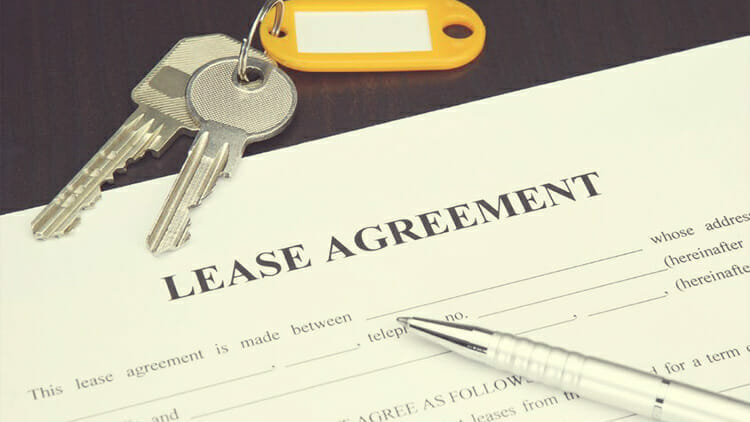
Because finding an apartment in New York City is so difficult, you might be tempted to sign a lease for a unit in the first building that accepts your application. However, once you find a building you like, perform some simple, free research to ensure your landlord and the apartment meet your needs.
Read Reviews and Testimonials
Just as you might before you make a reservation at a new restaurant, perform an internet search on the apartment’s address before signing a lease. This will at least turn up any major news stories, such as violent crimes or drug infractions in the building.
Additionally, look for reviews and testimonials from current or former tenants of the apartment building you are interested in. These can provide valuable insights into the living conditions, property management, and overall satisfaction of residents. Websites like Yelp, Google Reviews, and ApartmentRatings.com are great resources for gathering this information.
Use the Department of Buildings BIS Website
The New York City Department of Building’s Building Information System (BIS) provides information about complaints filed against any building, including unattended maintenance issues such as a broken elevator or uncollected garbage. Often, complaints trigger an inspection by a city agency. For example, the Department of Housing Preservation and Development might investigate complaints related to hot water issues, while the New York City Department of Health & Mental Hygiene might respond to complaints about rodent issues or mold. These agencies can issue violations,
The easily searchable BIS website allows you to select your borough, then enter your building number and street name to find a building profile. At the bottom of the building’s profile, you can click on links that include detailed information about any recorded infractions.
In addition to showing complaints against a building, the website shows any Environmental Control Board or Department of Buildings violations.
Check with City and State Agencies
You can also consult the Department of Housing Preservation and Development’s online database for building complaints. Though the database only goes back a year, it shows all types of tenant-filed complaints, from illegal wiring to pest problems.
This resource also shows if your building has any rent-stabilized apartments, which means you would receive certain protections such as limitations on the amount of rent increases your landlord can impose. Technically, your lease should indicate if your unit is rent-stabilized, but often tenants miss this key piece of information. Check the online portal from New York State’s Division of Housing and Community Renewal to determine if your building has rent-stabilized apartments. Alternatively, you can request the regulation history of the building.
Research Your Landlord
Always do your due diligence on any potential landlord. If you suspect a landlord is not properly maintaining a building, check the City Public Advocate for a list of the city’s 100 worst landlords. You can search the online database by building, as well as by management company or landlord name. If you find your potential building or landlord on the list, do not proceed with your lease application.
Check the Bed Bug Registry
Bed bugs are an unfortunate reality, and your potential landlord is required to disclose if the building has had an infestation in the previous year. If your landlord seems reluctant to talk about bed bugs, check the Bed Bug Registry, a crowd-sourced registry of reported accounts of bed bugs. You can also check out the map that plots reports of bed bugs.
Examine Lease Terms and Conditions
Carefully review the lease agreement before signing. Pay attention to details such as lease duration, rent increase policies, pet policies, and maintenance responsibilities. Make sure you understand the penalties for breaking the lease early and any fees associated with the lease renewal. If you have any questions or concerns, seek clarification from the landlord or management company.
Verify Amenities and Services
Confirm the availability and condition of amenities and services mentioned in the listing. This includes laundry facilities, parking, gym access, rooftop spaces, and communal areas. Ensure that the apartment has the necessary utilities and that they are in proper working condition. Just because a building has a laundry room, for example, does not mean the machines are in working condition.
Research Legal Obligations
Familiarize yourself with New York City’s tenant rights and legal obligations. Understand your rights regarding security deposits, repairs, lease renewals, and eviction procedures. The NYC Department of Housing Preservation and Development and other legal resources can provide detailed information to ensure you are protected as a tenant.
Check Rental Insurance Requirements
If you are renting from a condominium or co-op, you may be required to carry renter’s insurance. A building or landlord policy will not cover the tenant, which means you will not be covered for theft, fire, or water damage without your own policy. Additionally, you should have personal liability coverage to protect you in case of a lawsuit resulting from negligence such as an overflowing tub or toilet that damages the apartment below you.
Ask What Changes You Are Allowed to Make
Perhaps you are looking for an apartment you can customize to suit your own style. Before you start planning renovations, ask your potential landlord what changes you can make to the unit. Some landlords don’t mind painting or drilling holes in the walls, while others will have stricter guidelines. Check before you sign a lease to avoid extra charges or a forfeited deposit.
Leave a Reply